
glass, metal or ceramic?
Why matcha bowls are ceramic?
hika.matcha
1/31/20262 min read
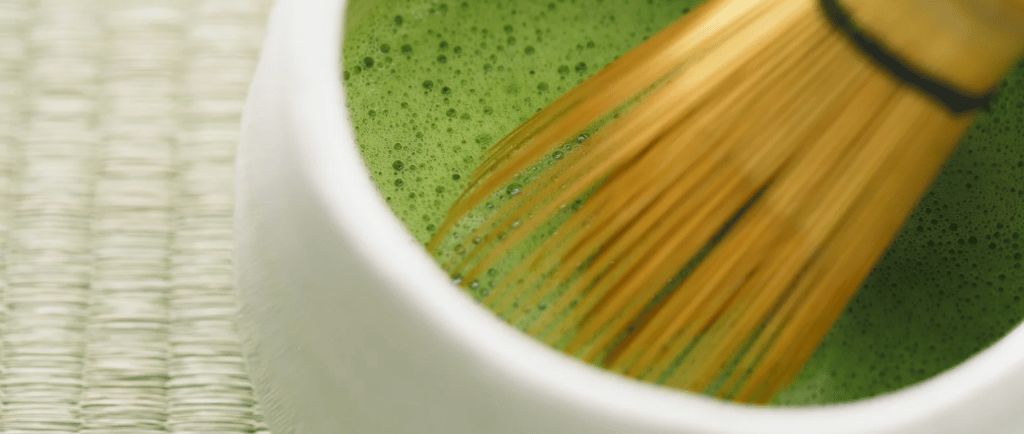
Hello, today we are going to focus on our beloved matcha bowls, called chawan. Each matcha lover has their own favourite chawan, which is unique and personalised. If you don't have your own, unique chawan you can't call yourself a matcha lover! Alright, you know we are joking;)
Why matcha bowls are ceramic? That is a question that we will answer today. Ceramic bowls are more expensive, therefore many people prefer to choose some cheaper alternatives. After this blog post you will know exactly why you should invest some money and get your own, perfect ceramic matcha bowl. You won't regret it!
1. Ceramic Protects Matcha’s Flavor
Matcha is delicate. Its flavor can easily become bitter if treated incorrectly. Ceramic helps because it holds heat gently and evenly, prevents sudden temperature changes and doesn’t react with the tea.
Unlike metal, ceramic won’t overheat the tea or add a metallic taste. Unlike glass, it doesn’t cool the matcha too quickly. This balance helps preserve matcha’s natural umami and smoothness.
Umami, which is also known as monosodium glutamate is one of the basic five tastes including sweet, sour, salty, and bitter. Umami means “delicious savory taste” in Japanese, and its taste is often described as the meaty, savory deliciousness that deepens flavor.
2.The Texture Makes Whisking Better
Traditional matcha is whisked, not stirred. Ceramic bowls have a slightly textured surface that helps the bamboo whisk grip the bowl, makes it easier to create foam and prevents slipping while whisking.
This texture allows matcha to dissolve evenly, creating a smooth, clump-free drink—especially important for beginners.
3.Ceramic Is Flavor-Neutral
High-quality ceramic is non-reactive. That means no metallic aftertaste, no chemical smell and no flavor absorption.
In Japanese tea culture, subtle flavor differences matter deeply. Ceramic ensures that what you taste is only the matcha itself.
4.Wabi-Sabi: The Beauty of Imperfection
Many matcha bowls are handmade and intentionally imperfect.. This reflects wabi-sabi, a Japanese philosophy that values simplicity, natural materials, imperfection and impermanence.
Small cracks, uneven shapes, or glaze variations make each bowl unique. The bowl becomes part of the ritual—not just a tool, but an object to appreciate.
To sum up ceramic bowl protects matcha flavour, makes whisking easier and more efficient, does not invade pure matcha with foreign tastes and is deeply rooted in the japanese culture of imperfection.
You love your chawan regardless of its imperfections. Those imperfections make it unique, make it yours. It shows us that what we see as our flaws might be considered to be assets by others. Bear that in mind!